 Quantum Hub
Learn
Starknet and quantum security
Explore articles, podcast conversations, videos, definitions and primary sources on quantum threats, post-quantum cryptography and Starknet.
Articles, podcasts & videos
Quantum library
Showing 6 of 25 items.
- Seven StarkWare and Starknet Foundation researchers co-authored the ECDSA.fail paper on reducing the estimated cost of elliptic-curve point addition for quantum attacks.
Seven of our researchers helped halve Google’s quantum attack estimate
- Avihu Levy’s QSB method has been executed on Bitcoin mainnet, moving coins into quantum-resistant storage with no soft fork or change to consensus rules.
The first quantum-safe Bitcoin transaction has been mined
- Eli Ben-Sasson outlines three questions for a blockchain’s post-quantum transition: feasibility, speed and the user migration experience.
Three tests for post-quantum readiness
- Eli Ben-Sasson explains why distinguishing between cryptography threatened by quantum computers and quantum-resistant approaches matters.
Which cryptography is quantum-resistant?
- Eli Ben-Sasson connects ZK-STARKs with Stwo scaling and STRK20 privacy, then identifies post-quantum security as a next step for Starknet.
From scaling and privacy to post-quantum security
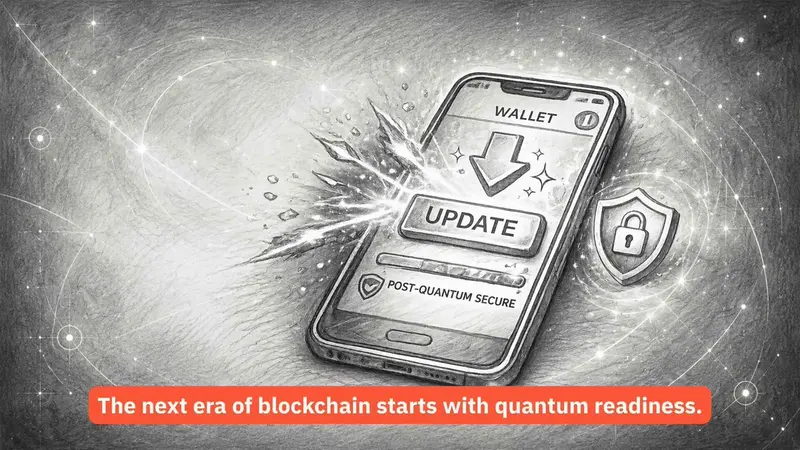
- Can quantum computers break crypto wallets? Not yet, and not the way most coverage suggests. Five quantum computing myths, answered with dated evidence.
Top 5 Quantum Computing Myths, Answered
- Q-Day is the day a quantum computer breaks public-key cryptography. No one knows the year, but the migration deadlines already exist.
What is Q-Day?
- Maps quantum attacks to signatures, encryption, hashing and five blockchain migration surfaces.
Understanding the Quantum Threat
- The StarkWare Post-Quantum Hub is live: Starknets migration, technical advancements, and post-quantum research all in one place.
Quantum security for everyone: the Starkware Quantum Hub is now live.
- StarkWare and Pete Rizzo launch Quantum Bitcoin Countdown, a podcast asking whether Bitcoin can survive the quantum computing threat.
StarkWare and Bitcoin Journalist Pete Rizzo Launch the Quantum Bitcoin Countdown Podcast
- Explains how STARK proofs and native account abstraction shape Starknet’s migration path while Ethereum dependencies remain in scope.
Starknet’s Quantum Edge: STARKs and Native Account Abstraction
- Eli Ben-Sasson joins CoinDesk to discuss Ethereum’s roadmap, competition and quantum risk. The player opens at the quantum segment.
Ethereum Must Move Faster or Risk Losing Its Edge Says Starkware Founder
- Sets out Starknet’s phased migration plan across protocol work, legacy deployments and Ethereum-controlled dependencies.
The Architecture Advantage: Starknet’s Quantum Readiness Roadmap
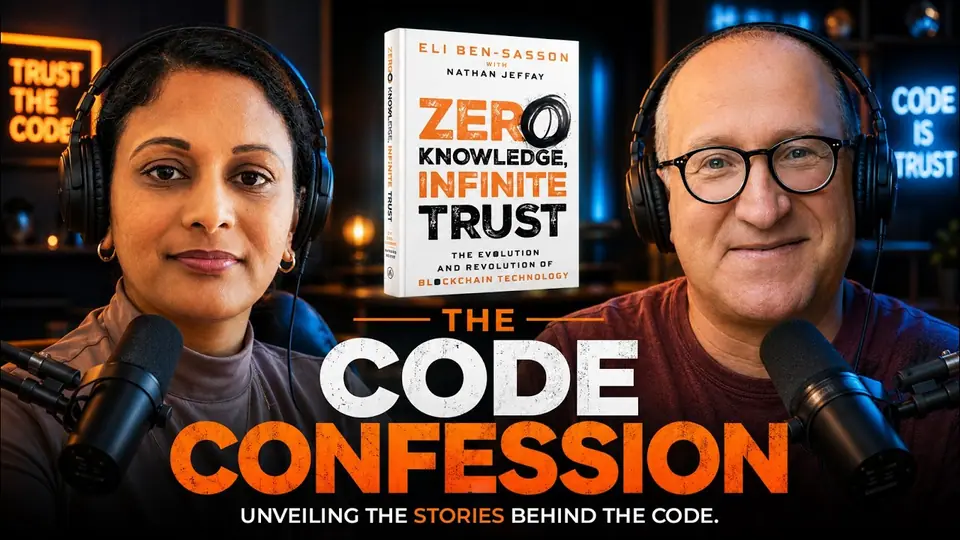
- Eli Ben-Sasson discusses STARKs, digital trust and the need for quantum-resistant cryptography, including quantum-safe Bitcoin.
Zero Knowledge Infinite Trust with Eli Ben Sasson
- Eli Ben-Sasson sets out his vision for Starknet across scaling, privacy and a future transition to post-quantum security.
Starknet’s roadmap for scale, privacy and quantum security
- Eli Ben-Sasson argues that Bitcoin needs to prepare for quantum computing and says a soft fork is the most likely route.
Why Bitcoin needs to prepare for quantum computing
- Shows how a STARK-based covenant can protect a Bitcoin transaction from quantum attacks without a Bitcoin soft fork.
Quantum-Safe Bitcoin Transactions Without Softforks
- Eli Ben-Sasson describes two quantum risks for Bitcoin: future attacks on its cryptography and a loss of confidence if preparations are delayed.
Two quantum risks for Bitcoin
- Introduces BIP 360 and its Pay-to-Merkle-Root output type, designed to remove Taproot’s quantum-vulnerable key path.
Bitcoin’s quantum proposal features StarkWare co-author
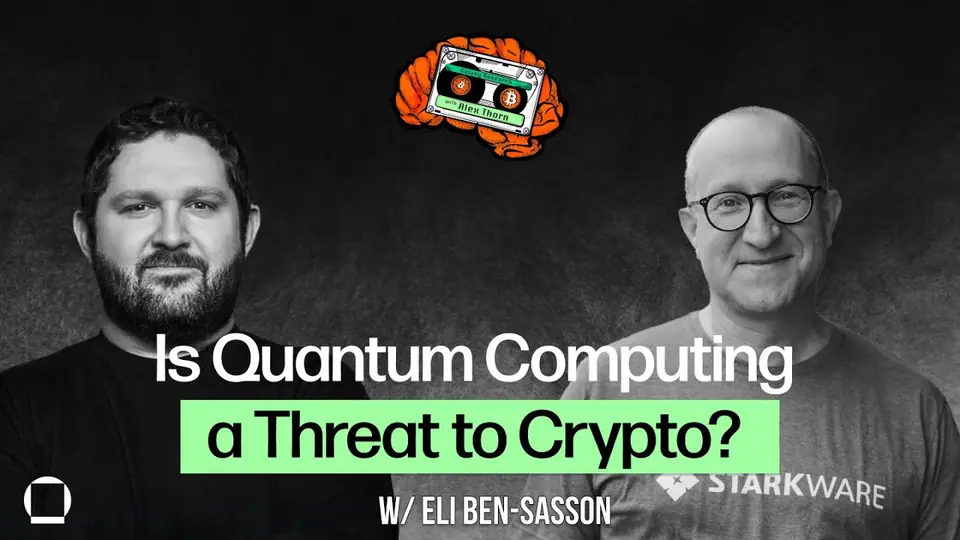
- Galaxy’s Alex Thorn and Eli Ben-Sasson discuss quantum risk across crypto networks, Starknet’s architecture and post-quantum readiness.
Is Quantum Computing a Threat to Crypto? With Eli Ben-Sasson
- Aubrey Strobel and Eli Ben-Sasson discuss why privacy matters for onchain adoption, where exchanges fall short and the limits of transparent ledgers.
Godfather of ZK and Starkware CEO, Eli Ben-Sasson: Why Crypto Can’t Go Mainstream Without Privacy
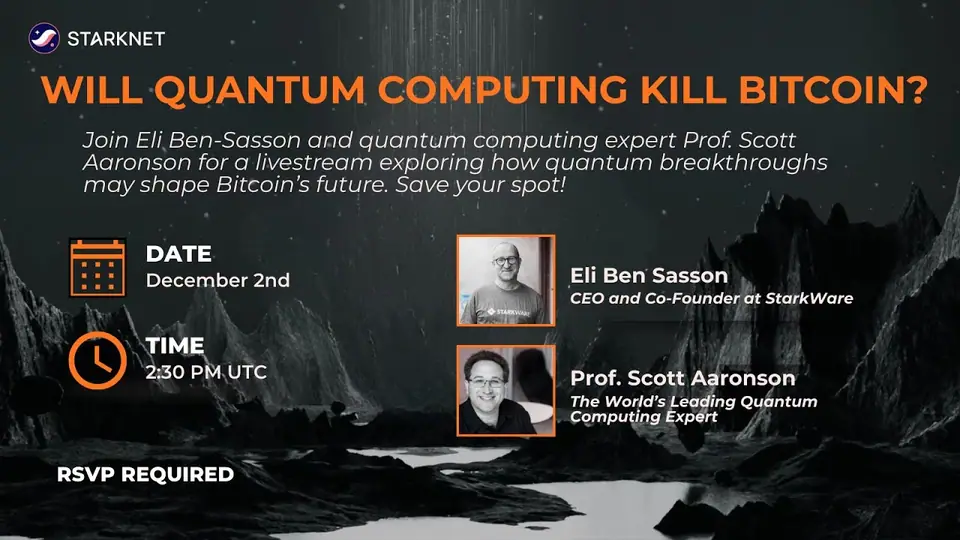
- Scott Aaronson and Eli Ben-Sasson examine how close Q-Day may be, what quantum computers threaten and how Bitcoin can prepare.
Will Quantum Computing Kill Bitcoin?
- Eli Ben-Sasson explains how ZK proofs, OP_CAT and OP_STARK could give Bitcoin native privacy, scale, programmability and post-quantum security.
Bitcoin Privacy, Scale and Post-Quantum Security with Eli Ben-Sasson
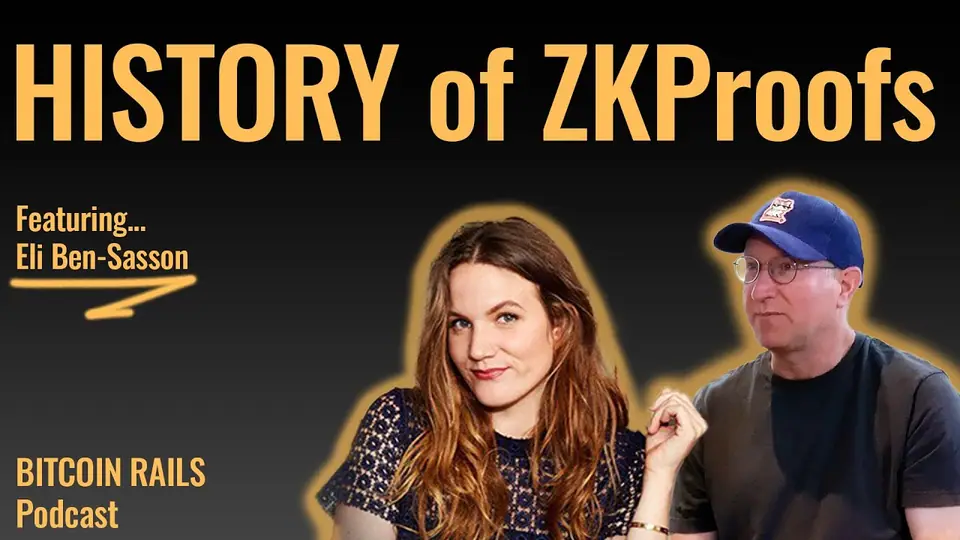
- A history of zero-knowledge proofs from early Bitcoin discussions through Zcash, Ethereum L2s and renewed work on Bitcoin, ending with quantum migration.
History of Zero-Knowledge Proofs with Eli Ben Sasson
- Explains why STARK proofs use different assumptions from elliptic-curve systems and identifies Starknet’s remaining dependencies.
Quantum computing is coming. What does it mean for Starknet?





No items match these filters.
Selected answer
Selected answer: Is Starknet quantum-resistant?
Primary sources
Foundational references
Papers, standards and protocol documentation. These sources are separate from the editorial content above.
- Cryptology ePrint ArchiveScalable, transparent, and post-quantum secure computational integrityThe 2018 STARK paper
- Starknet documentationStarknet accountsAccount structure and validation flow
- Starknet documentationS-two polynomial commitment schemeMerkle commitments and the FRI-based proving flow
- NISTML-KEM (FIPS 203)Key establishment
- NISTML-DSA (FIPS 204)Digital signatures
- NISTSLH-DSA (FIPS 205)Hash-based digital signatures